Background and Strategic Opportunity
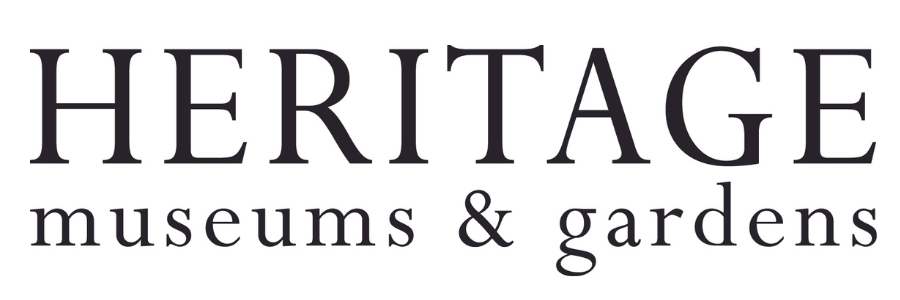
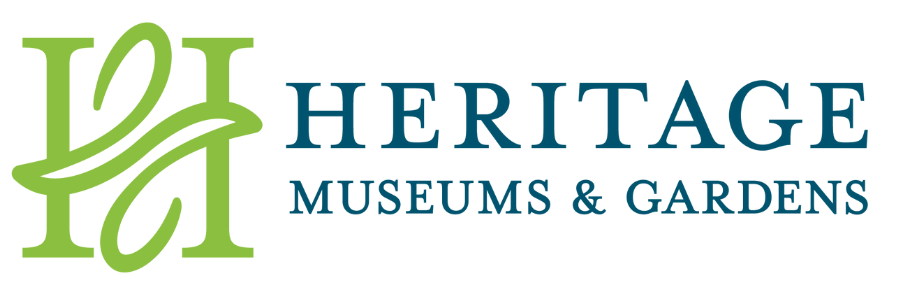
In 2021, amid the disruptions of the COVID-19 pandemic, Heritage Museums & Gardens seized a once-in-a-generation opportunity: to comprehensively rebrand the organization for the first time since 2002.
Over the years, Heritage’s brand identity had grown outdated, no longer reflecting the scale, vibrancy, or innovation that defined its expanded campus and programming. The typography, visual language, and tone remained rooted in a past era — disconnected from major enhancements such as the launch of The Adventure Park, the founding of The Hundred Acre School, new exhibits, and a more dynamic public profile.
In parallel, Heritage’s strategic plan and mission statement had been redefined, offering a fresh, future-focused blueprint for the organization. It became clear that the brand needed to evolve to match: to become more accessible, more modern, and more resonant with both loyal supporters and first-time visitors.
The goal was ambitious yet clear:
- Develop a visual and messaging identity that reflected Heritage’s contemporary essence and strategic direction.
- Create a flexible brand system that would be instantly recognizable across all platforms, particularly websites and mobile devices.
- Build a brand that could unite staff, inspire audiences, and position Heritage as a dynamic leader among cultural institutions.
From Concept to Execution: The Design Process
Working closely with the CEO, I helped architect and lead the entire rebranding initiative. We deliberately formed a compact, highly focused design team to streamline decision-making and avoid brand drift caused by too many competing viewpoints.
The process included:
- Internal Assessment: A deep dive into Heritage’s existing brand strengths, weaknesses, and personality traits, ensuring the new identity authentically represented the organization’s core values.
- Stakeholder Engagement: Interviews and working sessions with long-standing supporters, trustees, and staff members to gather insights, uncover brand equity, and inform the creative direction.
- Competitive Analysis: A review of peer institutions and market trends to ensure the new brand positioning would be distinctive and future-proof.
- Design Iteration: A disciplined three-round draft and feedback process, allowing time for thoughtful refinement and alignment at every stage.
- Campus Inspiration: Elements unique to the Heritage experience — such as the gardens, galleries, and family-centric programming — were carefully woven into the visual and messaging frameworks.
Key Innovations in Brand Presentation
As part of the rebrand, I also overhauled how programming was displayed digitally, particularly within our communications and newsletters. Recognizing the need for a more modern, user-centric approach, I restructured the newsletter layout to feature upcoming programs prominently on the right-hand side, while allowing feature storytelling to flourish on the left-hand side.
This intentional, dual-column design provided a richer user experience — balancing inspiring content with clear calls to action — and reinforced the brand’s new focus on accessibility and engagement.
This layout became a model for other digital communications and supported broader organizational goals, from boosting ticket sales to deepening event participation.
Expanding the Brand Family: Building Sub-Brands for Core Programs
Following the initial rebrand, I continued to extend the branding strategy by developing sub-logos and sub-brands for several of Heritage’s most iconic programs and revenue centers. Each sub-brand was carefully crafted to maintain its own distinct appeal while still living clearly under the overarching Heritage brand identity.
New sub-brands were developed for:
- Rhododendron Festival
- Hydrangea Festival
- Antique & Classic Auto Show
- The Shop at Heritage
- Lilly’s Café
- The Hundred Acre School
- Hidden Hollow (the most recent addition)
These identities were designed to help each program build its own following and visibility, while strengthening overall brand cohesion. Today, these sub-brands can be seen under the “Experience” section in Heritage’s marketing platforms, ensuring a unified, recognizable, and strategic brand architecture that supports cross-promotion, seasonal marketing, and donor engagement efforts.
Results and Organizational Impact
The rebranding effort achieved immediate, measurable, and lasting impact:
- Audience Response: Digital engagement surged, with website traffic, email open rates, and social media interactions exceeding pre-rebrand benchmarks.
- Staff Alignment: Staff training was a priority. I developed and delivered internal education sessions to ensure all departments could confidently represent the new brand voice and visuals, strengthening organizational unity.
- Consistent Messaging: Across all platforms — from on-site signage to digital newsletters — messaging became clearer, more compelling, and unmistakably “Heritage.”
- Cultural Renewal: Beyond the visual refresh, the project fostered a renewed sense of pride, ownership, and momentum across the organization. Staff and stakeholders embraced the brand not just as a design, but as a symbol of Heritage’s evolution and future potential.
Ultimately, this project was more than a rebrand; it was a cultural reawakening. It reintroduced Heritage Museums & Gardens to the world — and perhaps even more importantly, reintroduced Heritage to itself.
April, 2025

